Demographic Influences on Game Selection Patterns Within International Digital Wagering Platforms
Jordan Schmid · Jun 8, 2026
Demographic Influences on Game Selection Patterns Within International Digital Wagering Platforms
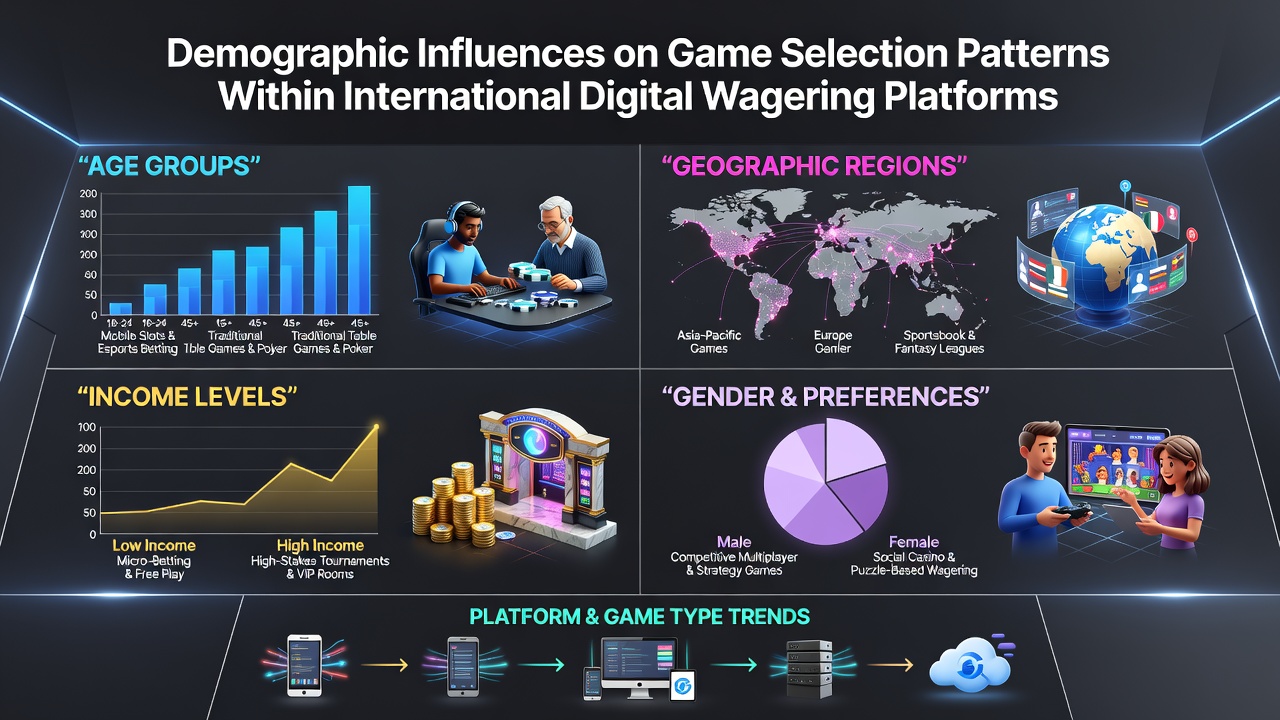
International digital wagering platforms collect extensive user data that reveals clear connections between demographic factors and game selection, with age, gender, geographic location, and income levels shaping preferences across different markets. Platforms operating in multiple jurisdictions track these patterns through registration details, session analytics, and payment histories, allowing operators to adjust offerings while complying with local regulations. As of June 2026, these datasets continue to expand as more regions legalize online wagering and mobile access increases globally.
Age-Based Preferences Across Platforms
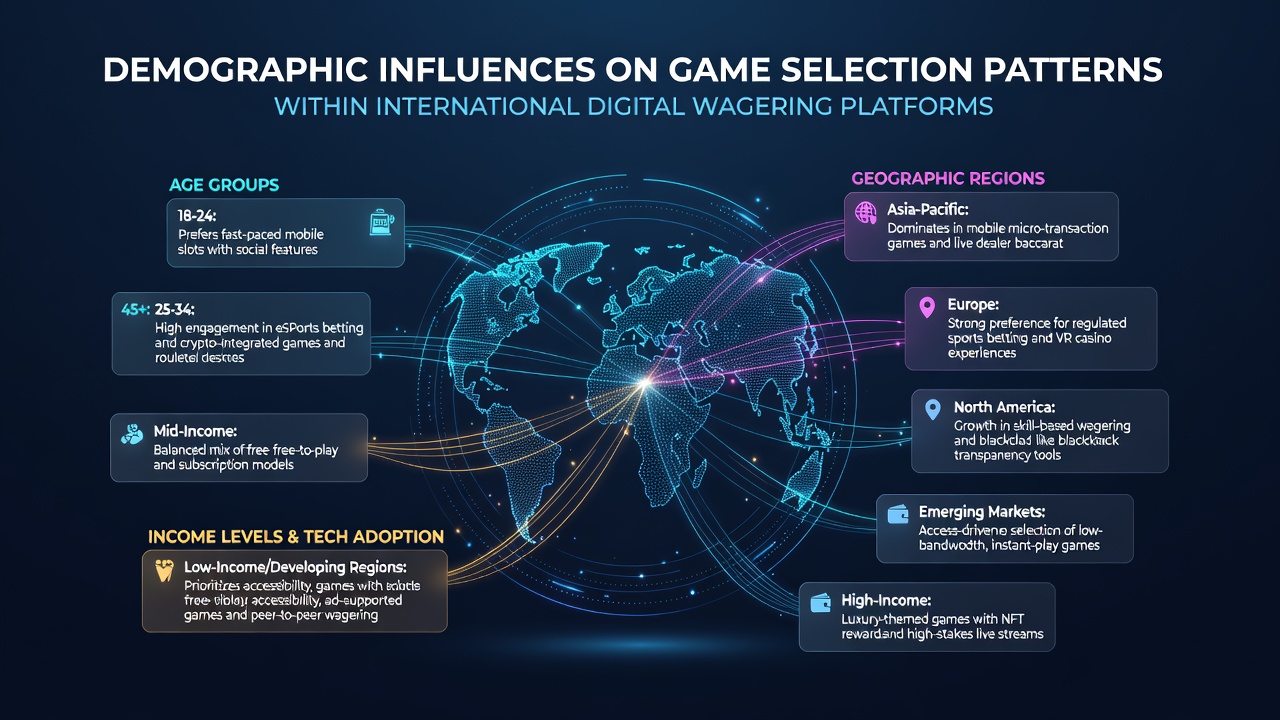
Users between 18 and 24 years old gravitate toward slots and instant-win games on mobile applications, while those aged 35 and older show higher engagement with sports betting and live dealer table games. Research from the American Gaming Association indicates that younger cohorts complete shorter sessions but return more frequently, often selecting titles with rapid reward cycles and social features integrated into the interface. Older demographics tend to spend longer periods reviewing odds and statistics before placing wagers, favoring poker variants and sports markets that require strategic decision-making over extended periods.
These age-related distinctions hold steady across European, North American, and Asia-Pacific markets, although the specific games within each category shift based on cultural familiarity. For instance, European users in the 25-34 bracket demonstrate elevated interest in live roulette streams compared to their North American counterparts who allocate more activity toward American football and basketball betting markets.
Gender Differences in Game Categories
Data compiled across multiple international operators shows that male users account for the majority of sports betting volume, whereas female users participate more frequently in slot and bingo-style offerings. Gender distributions vary by region, with platforms in Australia and Canada reporting narrower gaps in overall participation rates than those observed in certain Asian markets. Operators adjust marketing and bonus structures accordingly, though regulatory frameworks in each jurisdiction limit how directly these insights influence promotional targeting.
Payment method preferences also differ along gender lines, with studies noting that women more often utilize digital wallets for smaller, recurring deposits while men show higher usage of cryptocurrency options for larger single transactions. These behavioral patterns emerge consistently in aggregated reports yet remain subject to individual variation within every demographic segment.
Geographic and Regional Variations
Players accessing platforms from European countries demonstrate stronger preferences for blackjack and baccarat variants, while users in Latin American markets allocate greater shares of activity toward football betting and localized lottery products. Australian operators record elevated engagement with horse racing and rugby markets among domestic users, whereas Canadian players distribute activity more evenly across poker, slots, and sports categories following the expansion of provincial iGaming frameworks.
Language settings and currency options further influence selection patterns, as users tend to explore games that appear in their native interface and support familiar payment rails. Platforms serving multiple time zones observe peak activity windows that align with local sporting events and television schedules, creating predictable surges in specific game categories during evening hours in each region.
Income and Education Correlations
Higher income brackets correlate with increased participation in high-limit table games and exclusive tournament formats, whereas lower to middle income users concentrate activity within standard slot libraries and promotional bonus rounds. Educational attainment shows weaker direct links to game type yet influences session length and feature exploration, with users holding advanced degrees tending to engage more deeply with strategy-heavy titles such as poker and certain sports prop markets.
Cross-border platforms note that income effects appear more pronounced in markets with wider economic disparities, while education-related patterns remain relatively consistent across developed economies. Payment verification requirements tied to income verification in some jurisdictions add another layer of data that operators incorporate into their segmentation models.
Device Access and Technological Factors
Mobile device penetration rates affect game selection because certain titles perform better on touch interfaces while others require larger screens for optimal play. Users in regions with high smartphone adoption but limited broadband access favor lightweight slot and instant games over data-intensive live dealer streams. Desktop access remains relevant for professional bettors who manage multiple open markets simultaneously, particularly in sports wagering where live updating odds demand constant attention.
These technological patterns intersect with demographic variables, as younger users across all regions show near-universal mobile preference while older cohorts maintain mixed device usage depending on location and available infrastructure.
Conclusion
Demographic data continues to guide how international digital wagering platforms structure their game libraries and user experiences, with observable patterns emerging from aggregated user behavior across age, gender, geography, income, and device categories. Regulatory bodies in various jurisdictions monitor these trends to ensure responsible gaming measures align with actual usage profiles, while operators refine their offerings to match documented preferences without violating compliance requirements. Continued expansion of legal markets through 2026 and beyond will likely produce additional datasets that further clarify these demographic influences on game selection.