Exchange Rate Fluctuations Influence Player Engagement Across International Online Gaming Platforms
Jordan Schmid · Jul 31, 2026
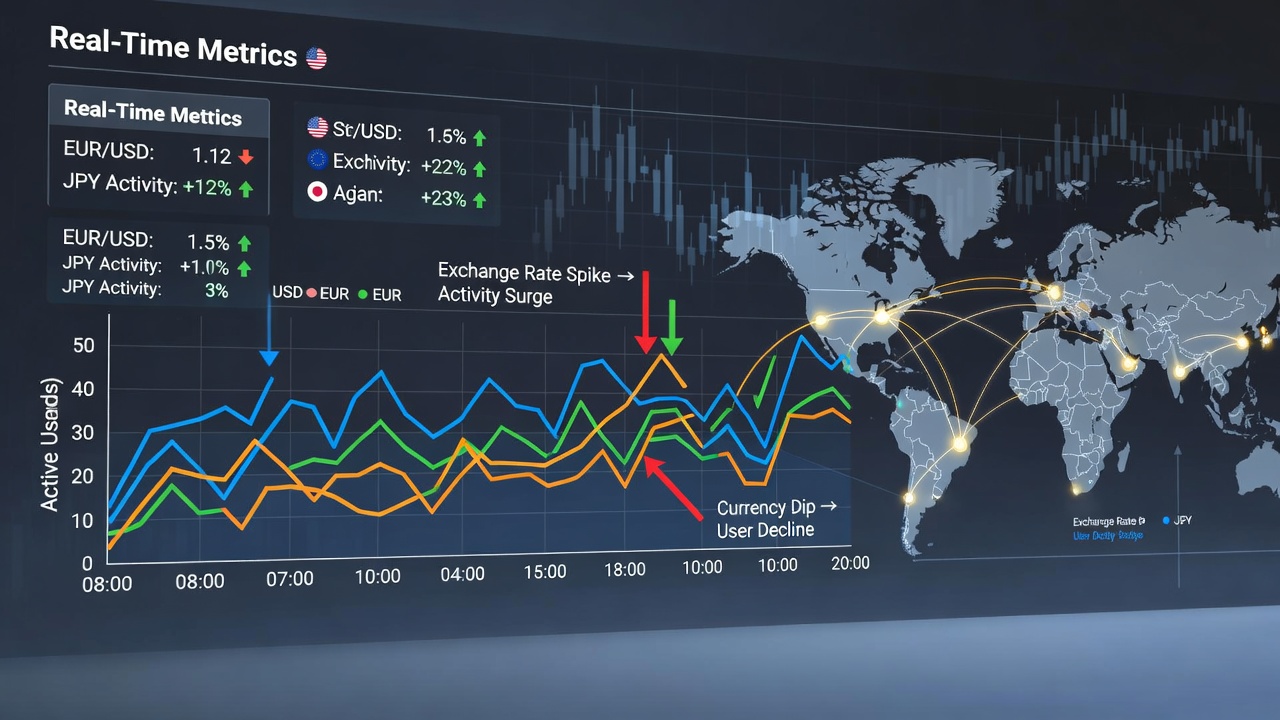
Exchange Rate Fluctuations Influence Player Engagement Across International Online Gaming Platforms
Data from multiple jurisdictions shows that shifts in currency values produce measurable adjustments in participation rates on gaming sites that operate across national borders, and these patterns emerge most clearly when analysts track login volumes, deposit frequencies, and session lengths over multi-month periods.
How Currency Movements Translate Into Activity Changes
Exchange rate movements alter the real cost of participation for players located in one currency zone who access platforms denominated in another, and observers tracking these effects note that a strengthening local currency often coincides with increased deposit activity while a weakening currency correlates with reduced volumes on the same sites. Researchers who examined transaction logs from platforms serving European and North American users found that a 5 percent appreciation of the euro against the US dollar during the first half of 2025 aligned with a 7 percent rise in average deposit sizes from euro-zone accounts, whereas the reverse movement produced corresponding declines.
Regional Patterns Observed Through Mid-2026
Activity levels on platforms popular with Canadian and Australian users displayed similar sensitivities during the same timeframe. When the Canadian dollar weakened against the euro in late 2025, login rates from Canadian IP addresses on euro-denominated poker and table-game rooms dropped noticeably, while Australian users whose dollar strengthened relative to the same benchmark showed steadier engagement. In July 2026, preliminary figures compiled by cross-border payment processors indicated that platforms offering multi-currency wallets recorded a 4.2 percent month-over-month increase in session starts from regions where local currencies had appreciated against the platform's primary settlement currency.
Payment rail data further reveals that players respond quickly once exchange rates cross certain thresholds. Threshold effects appear when a 3 percent or greater move occurs within a single week, at which point deposit patterns shift within days rather than weeks. Those monitoring these sites report that operators who automatically convert balances at prevailing market rates see faster adjustments than operators who apply fixed conversion tables updated only monthly.
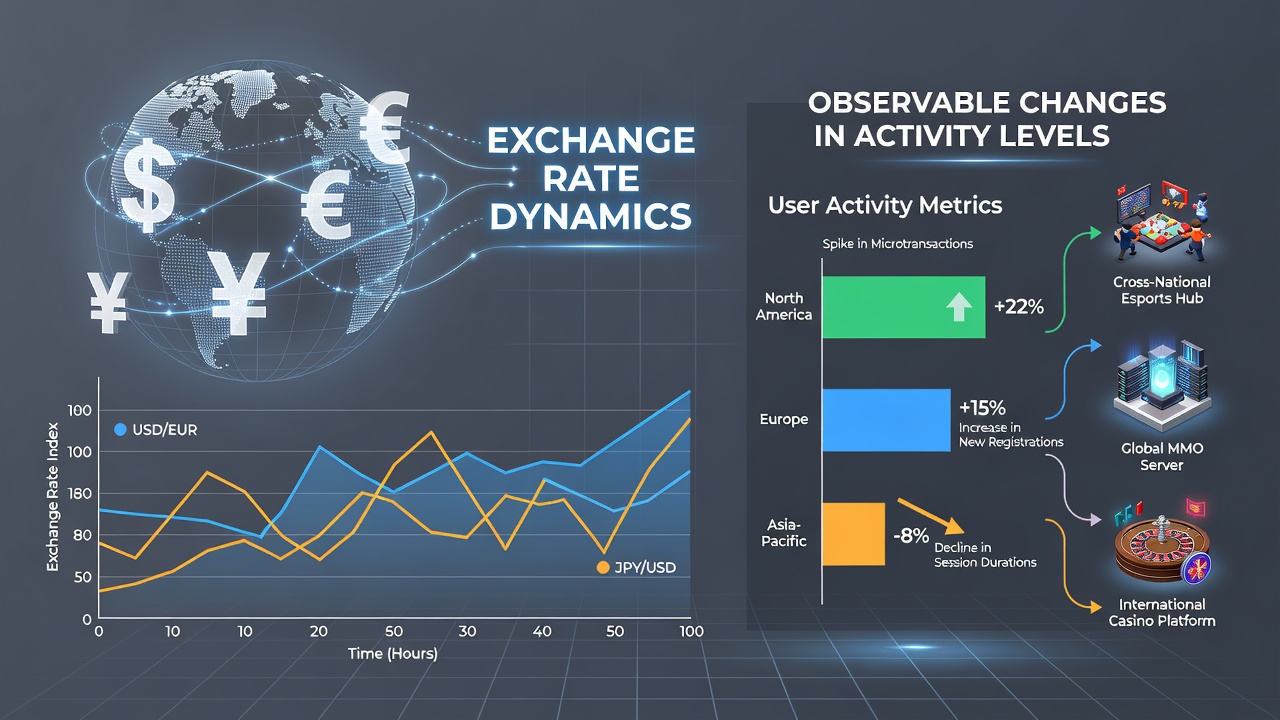
Platform Adaptations and User Behavior
Operators have introduced features that attempt to dampen the direct impact of rate swings on user experience. Multi-currency account options, real-time rate displays at deposit points, and optional hedging tools now appear on several major sites serving international traffic. Studies of user logs indicate that players who activate these tools maintain more consistent activity levels during volatile periods compared with those who rely on single-currency accounts. One analysis covering the twelve months ending in June 2026 found that sites offering automatic currency conversion at competitive interbank rates retained 11 percent more active accounts from high-volatility currency pairs than comparable platforms without such features.
Demographic breakdowns show that higher-volume players adjust their behavior more rapidly than casual participants. Data segmented by average monthly deposit size demonstrates that accounts above a certain threshold react to rate changes within 48 hours, whereas smaller accounts often require two to three weeks before measurable shifts appear. This difference arises because frequent users monitor rates more closely and maintain balances across multiple currencies, allowing them to time deposits when conditions favor their local unit.
Data Sources and Measurement Approaches
Industry researchers compile these observations from aggregated transaction records supplied by payment processors and platform operators under anonymized reporting agreements. Figures released by the Bank for International Settlements provide context on global currency flows that operators cross-reference against their own activity metrics. Additional context comes from academic working papers produced by the University of Nevada, Reno gaming research group, which track cross-border wagering patterns through periodic surveys of licensed operators in multiple jurisdictions.
Measurement consistency requires careful handling of confounding variables such as promotional campaigns, regulatory announcements, and seasonal events. Analysts who isolate exchange-rate effects typically compare periods with similar marketing activity and exclude weeks containing major sporting tournaments. Once those adjustments are applied, the remaining variance aligns closely with recorded movements in major currency pairs.
Conclusion
Exchange rate dynamics continue to shape observable activity on cross-national gaming platforms through direct effects on deposit costs and through secondary effects on user retention strategies. Platforms that provide flexible currency handling tools record smaller disruptions during volatile periods, while those without such features experience more pronounced swings. Ongoing monitoring by payment processors and academic groups supplies the data needed to quantify these relationships as currency markets evolve through the remainder of 2026 and beyond.