Online Gambling Market Projections Point to Sustained Expansion Through 2031
Logan Flores · May 27, 2026

Online Gambling Market Projections Point to Sustained Expansion Through 2031
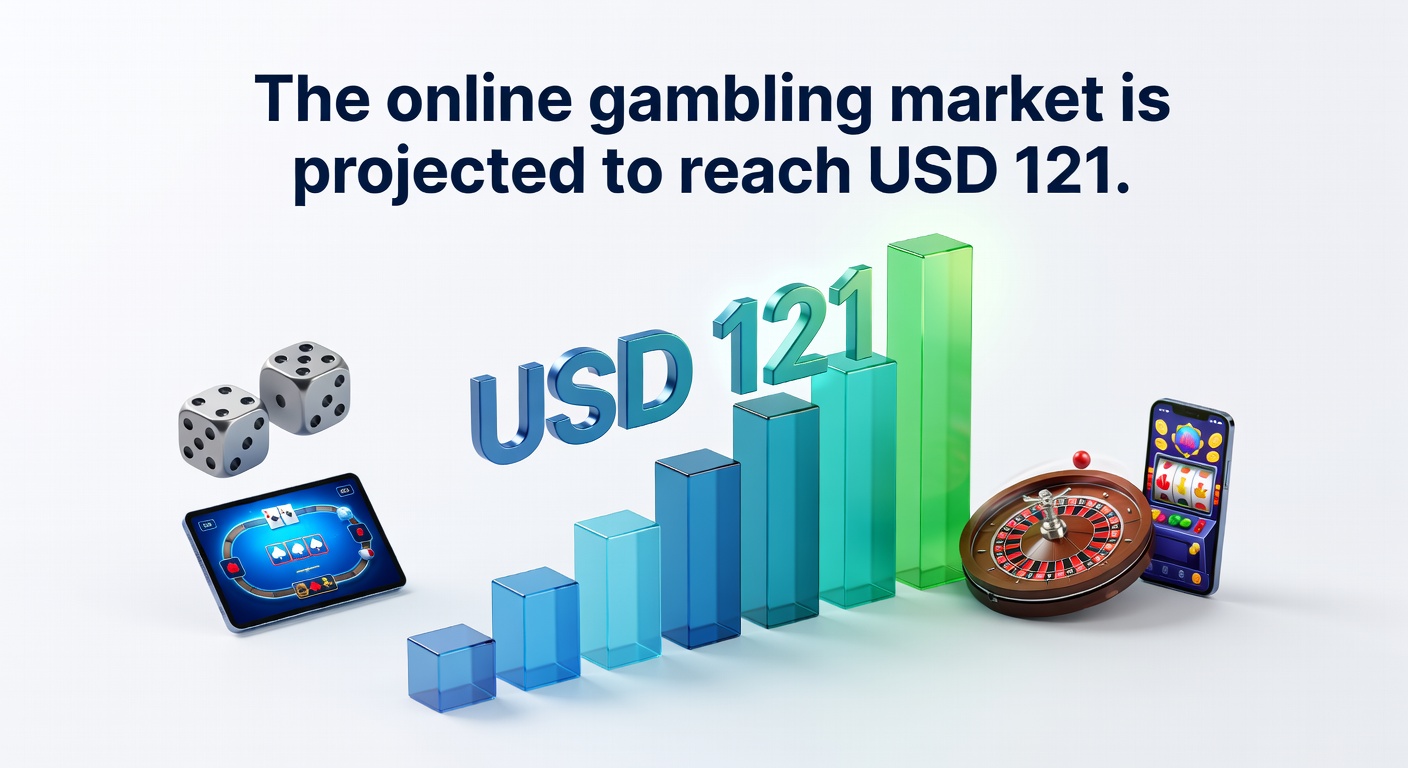
Market analysts have released updated figures showing the online gambling sector on track for consistent expansion over the coming years, with specific milestones set for 2026 and beyond. The data places the global market at USD 107.36 billion in 2025, rising to USD 121.93 billion the following year, then climbing further to USD 211.99 billion by 2031. This trajectory reflects a compound annual growth rate of 11.99 percent across the period, driven by measurable shifts in technology access and regulatory environments across multiple regions.
Key Growth Drivers Behind the Numbers
Smartphone penetration continues to play a central role in these projections, as more users gain reliable access to mobile devices capable of supporting real-time wagering applications. Data from the GSMA's The Mobile Economy report underscores how widespread device adoption correlates directly with increased participation in online platforms. At the same time, the rollout of 5G networks reduces latency issues that previously limited live betting experiences, allowing operators to deliver smoother, more responsive interfaces on handheld devices.
Regulatory liberalization in select jurisdictions has opened additional markets, creating clearer pathways for licensed operators to expand services without the previous barriers of unclear legal status. Mobile platforms already account for the majority of activity, with tablets and smartphones together outpacing desktop usage by a significant margin. Live betting features, which permit wagers during ongoing events rather than solely on pre-match outcomes, add another layer of engagement that aligns with these technological improvements.
Segment Breakdown and Platform Preferences
Casinos maintain the largest share within the online gambling landscape according to the latest industry breakdown. This dominance stems from established player preferences for slot machines, table games, and virtual versions of traditional casino offerings, all accessible through dedicated mobile applications. Digital payment systems further support this segment by enabling faster deposits and withdrawals, which in turn encourage repeat participation across different time zones.
Observers tracking platform trends note that mobile and tablet devices lead adoption rates, reflecting broader consumer shifts toward on-the-go entertainment. These devices benefit from optimized applications that integrate live betting options seamlessly, reducing friction for users who previously relied on desktop setups for more complex wagers.
Regional Focus Areas
North America and Europe stand out as primary regions fueling the projected growth, with each area contributing distinct regulatory and technological factors. In North America, state-level approvals have expanded access in key markets, while European jurisdictions continue refining licensing frameworks that balance consumer protection with operator flexibility. These regions together account for a substantial portion of global revenue, supported by high smartphone penetration rates and established digital payment infrastructures.
Analysts point out that the combination of 5G infrastructure investments and liberalized rules creates conditions where live betting and mobile casino play can scale efficiently. Data indicates that operators focusing on these areas see higher user retention when platforms support multiple payment methods alongside real-time features.
Timeline Considerations Through 2026
By May 2026, the market is expected to have already reached or approached the USD 121.93 billion mark referenced in current projections. This intermediate target serves as a checkpoint for operators and regulators alike, allowing them to assess whether smartphone adoption and 5G coverage have kept pace with earlier estimates. Figures released at that point will likely influence investment decisions for the remainder of the decade, particularly in regions where new licensing rounds are scheduled.
Those monitoring the sector note that digital payment innovations play an ongoing role in sustaining momentum between 2025 and 2026. Faster transaction processing reduces barriers for users engaging in live betting, while mobile platforms continue refining user interfaces to accommodate both casual and frequent participants.
Conclusion
The outlined projections provide a clear quantitative framework for understanding online gambling's trajectory through 2031, anchored in specific drivers such as device penetration, network advancements, and policy changes. With casinos retaining the leading segment position and mobile devices dominating platform usage, North America and Europe remain central to realizing the anticipated USD 211.99 billion valuation. Updated statistics in 2026 will offer further clarity on whether these growth assumptions hold under evolving market conditions.