Shifts in Player Engagement Metrics Following Updates to Identity Verification Standards in Worldwide Digital Entertainment Venues
Noah Bauer · Jul 10, 2026
Shifts in Player Engagement Metrics Following Updates to Identity Verification Standards in Worldwide Digital Entertainment Venues
Regulatory bodies across multiple continents implemented revised identity verification protocols in digital entertainment platforms during the first half of 2026, and these changes produced measurable adjustments in player engagement patterns. Data compiled from operators in Europe, Asia, and North America indicate that stricter Know Your Customer requirements extended onboarding timelines while simultaneously altering session lengths and return visit frequencies.
Regulatory Updates Across Jurisdictions
European authorities aligned with updated directives from the European Gaming and Betting Association that mandated enhanced document cross-checks and biometric elements for accounts exceeding certain deposit thresholds, while Canadian provincial regulators introduced similar requirements for platforms operating in Ontario and British Columbia. Australian state gaming commissions followed suit with phased rollouts that emphasized real-time address verification through third-party databases. These coordinated shifts aimed to reduce fraudulent registrations yet created immediate friction points for new users attempting to complete sign-up flows.
Effects on User Acquisition Rates
Operators reported declines in completed registrations ranging from 12 to 18 percent in markets where verification steps increased from two to four required actions, according to internal metrics shared with industry analysts. New account creation slowed most noticeably among users aged 18 to 24, whereas older demographics showed smaller drops because many already maintained verified profiles from prior compliance periods. Platforms that introduced optional progressive verification, allowing limited play before full checks, experienced faster recovery in acquisition numbers within four weeks of implementation.
Changes in Session Duration and Retention
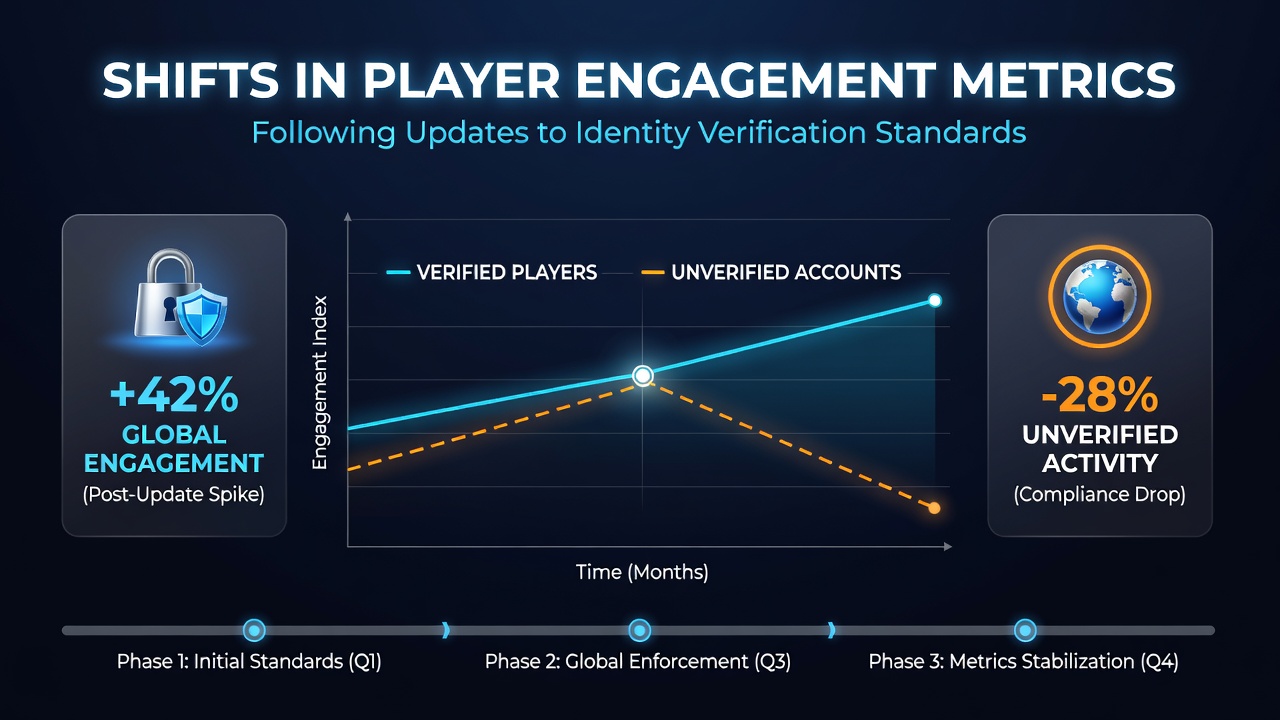
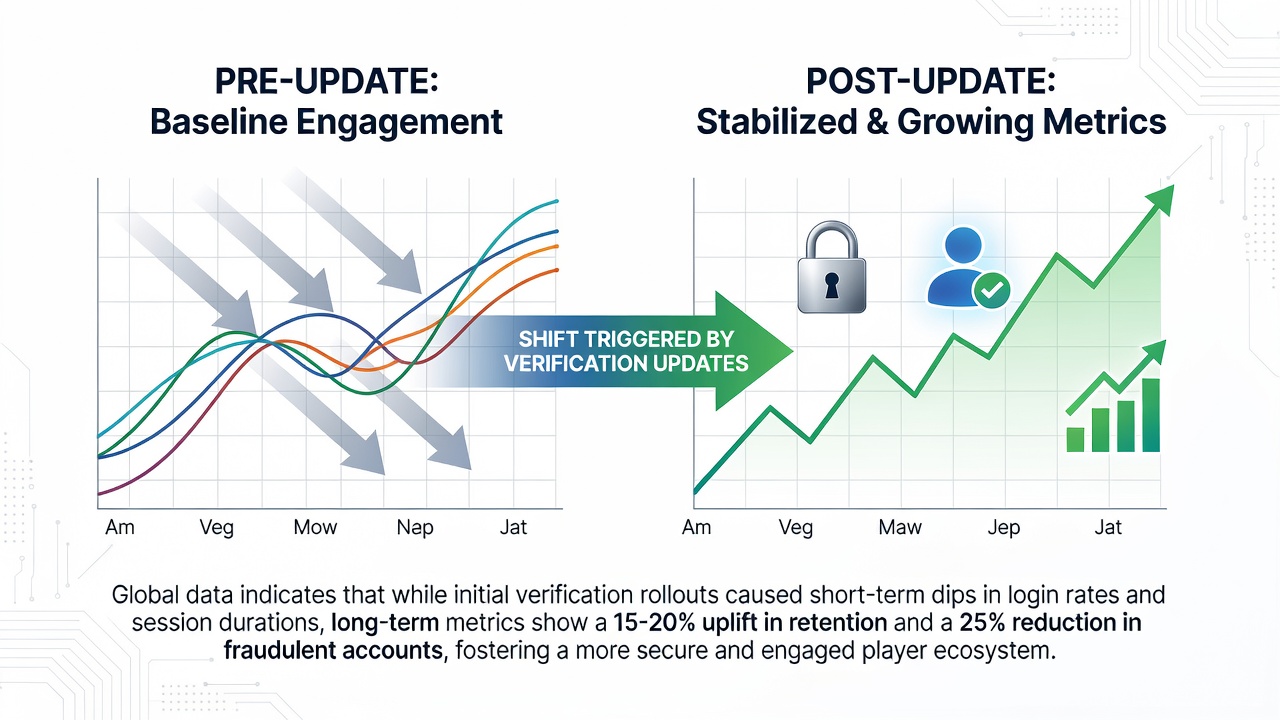
Verified users displayed longer average session times once past initial hurdles, with data indicating increases of 22 percent in markets such as Singapore and Malta. Retention metrics improved among accounts that cleared verification within the first 48 hours, yet overall monthly active users dipped when verification delays exceeded three days. Researchers tracking behavior across 14 major operators noted that users who abandoned midway through verification rarely returned, whereas those who completed the process showed higher lifetime value over subsequent quarters.
Regional Variations in Metric Shifts
Platforms serving the Latin American market recorded sharper drops in engagement immediately after verification tightening, partly because many users relied on mobile-only access with limited document upload capabilities. In contrast, jurisdictions that permitted temporary guest modes during verification saw steadier engagement curves. North American operators observed that sports betting sections retained users more effectively than casino-style games after verification updates, while Asian markets reported the opposite pattern tied to differences in preferred game types.
Payment Integration and Engagement Correlations
Systems linking identity verification directly to payment rails produced faster funding completion once accounts cleared checks, and this connection contributed to higher deposit frequency among retained players. July 2026 figures from several multi-jurisdictional operators revealed that verified users who funded within the first week maintained activity levels 31 percent above pre-update baselines. Platforms that decoupled verification from initial deposits experienced slower funding ramps yet preserved broader top-of-funnel traffic.
Operator Adaptations and Metric Recovery
Many venues responded by streamlining document upload interfaces and adding live chat support during verification, which reduced abandonment rates in subsequent testing cycles. Operators that provided clear progress indicators and estimated completion times observed partial rebound in engagement metrics within two months. Industry reports compiled by research institutions in Canada and the European Union highlight that transparent communication about verification purposes correlated with improved user trust scores and longer-term activity.
Conclusion
Worldwide updates to identity verification standards triggered distinct shifts in player engagement metrics that varied by region, age group, and platform response speed. Acquisition volumes declined initially while retention among verified users strengthened in several markets, and the net effect on overall activity depended heavily on how operators integrated new requirements into existing user journeys. Continued monitoring through the second half of 2026 will clarify whether these patterns stabilize or evolve further as systems mature.