Tracing behavioral adjustments from sensor-based personalization in global mobile wagering ecosystems
Noah Bauer · Jul 13, 2026
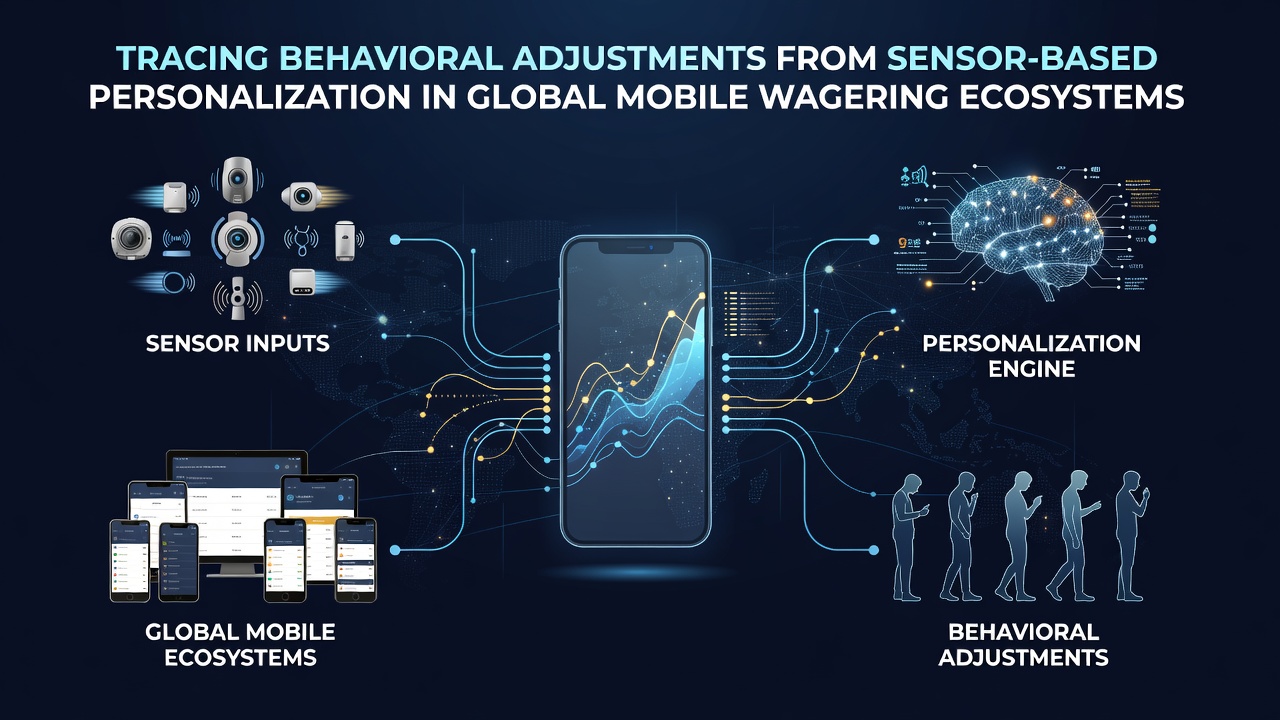
Tracing behavioral adjustments from sensor-based personalization in global mobile wagering ecosystems
Global mobile wagering platforms now integrate device sensors such as accelerometers, gyroscopes, GPS modules and touch-pressure detectors to tailor content in real time, and these systems generate measurable shifts in how users place bets, extend sessions and modify risk levels. Data flows from hardware inputs feed machine-learning models that adjust offer timing, stake suggestions and game recommendations, while operators track resulting changes in player patterns across different jurisdictions.
Sensor Mechanisms Driving Personalization
Accelerometers detect micro-movements that correlate with user excitement or hesitation, allowing algorithms to present higher-stake options during moments of apparent engagement or to introduce lower-risk alternatives when motion patterns indicate fatigue. Gyroscope readings combine with location data to determine whether a player participates from a stationary environment or while traveling, which then influences the frequency of push notifications and the types of live events promoted within the app. Touch-screen pressure and swipe velocity metrics further refine these models by revealing decision speed, and several major operators began deploying these combined signals at scale during 2025.
Researchers at institutions studying digital interaction patterns have documented how continuous calibration of these inputs leads to incremental behavioral changes, including longer average session durations when recommendations align closely with detected physiological states. One analysis released in July 2026 by the European Gaming and Betting Association examined anonymized telemetry from multiple operators and found that personalized prompts based on sensor fusion increased repeat-bet frequency by approximately 14 percent within the first week of exposure.
Documented Adjustments in User Behavior
Players adjust stake sizes and game selection when algorithms respond dynamically to sensor-derived profiles, and studies indicate that individuals gradually align their wagering tempo with the timing of tailored suggestions. GPS-triggered geo-fencing, for example, prompts location-specific promotions that encourage users to extend play during travel windows, whereas accelerometer-based fatigue detection often triggers session-limit reminders that shorten activity before users reach preset thresholds. Observers note that these loops create feedback where initial personalization produces small habit modifications that the system then incorporates into subsequent recommendations.
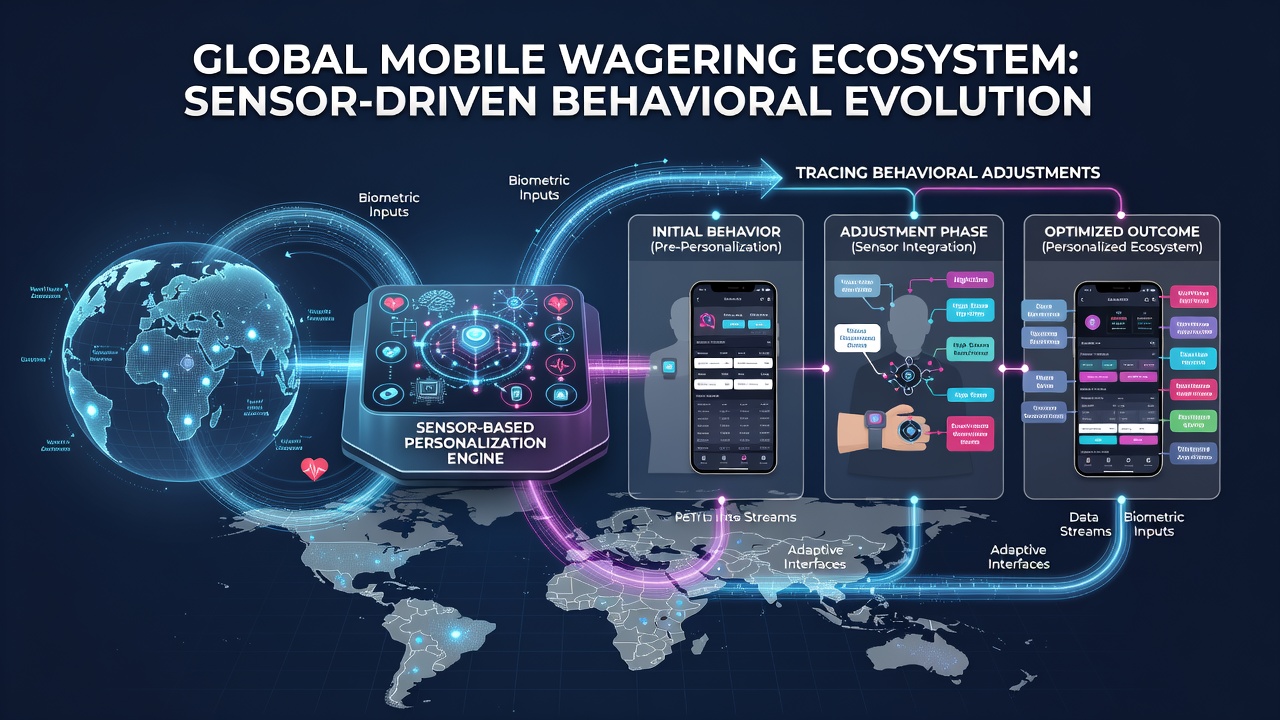
Take the case of one European operator that implemented heart-rate variability estimates from paired wearable devices in select markets; participants showed a 9 percent reduction in high-volatility bets after two weeks because the system surfaced calmer alternatives during elevated stress readings. Similar patterns appear in North American deployments where touch-pressure analytics correlate with more conservative bet sizing among users who receive immediate feedback on their interaction style. Data collected across platforms reveals that these adjustments stabilize after roughly 12 to 18 sessions, after which further personalization yields diminishing returns unless new sensor inputs are introduced.
Regional Variations and Market Responses
Implementation depth varies by regulatory environment, with operators in Australia applying sensor personalization more aggressively to comply with harm-minimization mandates, whereas certain Asian markets emphasize engagement metrics over protective interventions. European operators report tighter integration of biometric signals with responsible-gaming tools following updated guidance issued in early 2026, while Canadian platforms focus on location-based personalization tied to provincial licensing rules. Figures from the Australian Transaction Reports and Analysis Centre indicate that sensor-informed interventions reduced flagged high-risk sessions by 11 percent in monitored apps during the second quarter of 2026.
Cross-border users experience inconsistent adjustment patterns because device permissions and data-sharing policies differ, and analysts tracking these flows observe that players who travel frequently adapt their behavior more rapidly when sensor data resets across jurisdictions. Industry reports compiled by the International Center for Responsible Gaming highlight that markets with stricter consent requirements see slower adoption of advanced personalization, yet the behavioral shifts that do occur remain statistically comparable once systems reach operational maturity.
Technological and Regulatory Developments Through Mid-2026
By July 2026 several jurisdictions had updated technical standards requiring explicit disclosure of sensor data usage in wagering apps, prompting operators to refine consent flows and anonymization techniques. These changes coincide with hardware advances that allow lower-power continuous monitoring, reducing battery impact while increasing data granularity. Machine-learning pipelines now process multi-sensor streams in under 200 milliseconds, enabling near-instantaneous offer adjustments that further embed behavioral feedback loops into daily usage.
Academic teams examining longitudinal datasets note that sustained exposure to sensor-driven personalization correlates with narrower variance in individual betting volumes after the initial adaptation period, suggesting users settle into more predictable patterns once algorithms stabilize. Regulatory bodies in multiple regions continue to evaluate whether these stabilization effects support or complicate existing responsible-gaming frameworks, and ongoing pilots test whether sensor-based alerts can preemptively reduce session length before users reach self-imposed limits.
Conclusion
Sensor-based personalization continues to shape how participants interact with mobile wagering platforms worldwide, producing traceable adjustments in timing, stake selection and session management that operators and regulators monitor through aggregated telemetry. As hardware capabilities expand and policy frameworks evolve, the feedback between detected behavior and algorithmic response remains a central mechanism in global digital wagering ecosystems.