Tracing Linkages Between Compliance Updates and Behavioral Adjustments in International Online Betting Networks
Blake Becker · Aug 12, 2026
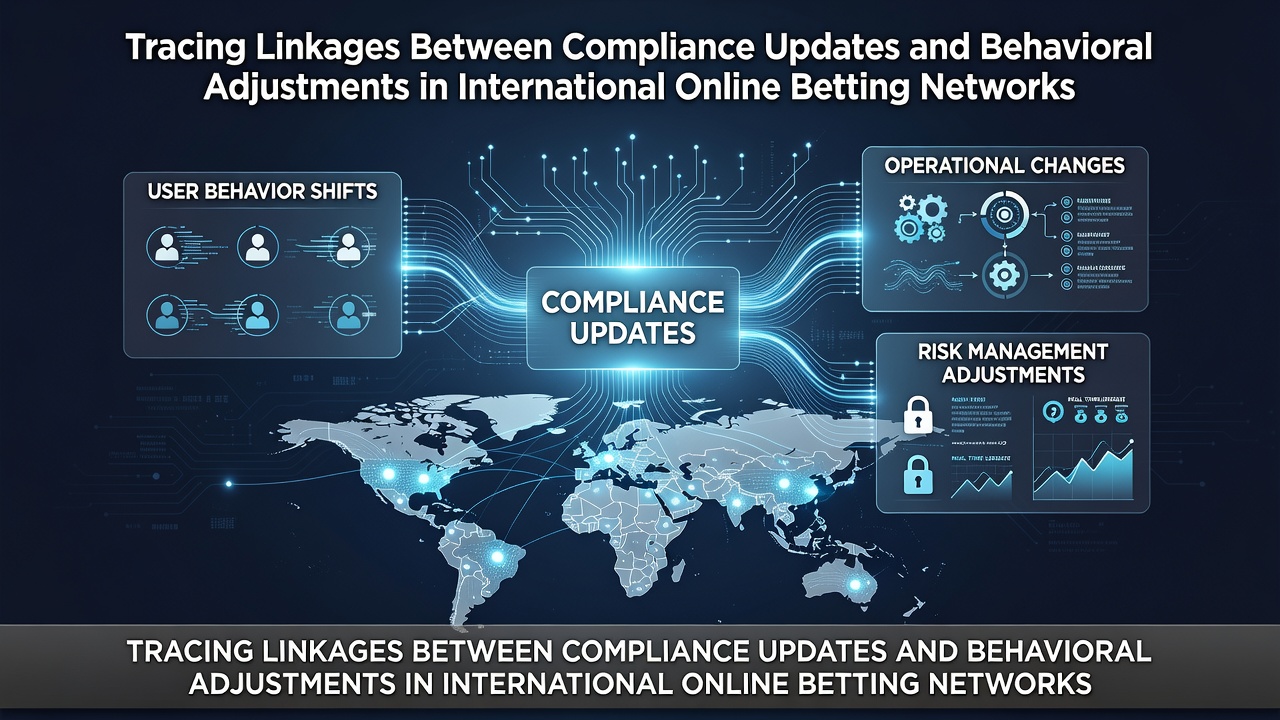
Tracing Linkages Between Compliance Updates and Behavioral Adjustments in International Online Betting Networks
Regulatory frameworks governing online betting continue to evolve across multiple continents, and data from enforcement agencies shows direct connections between these updates and measurable changes in operator practices as well as user engagement patterns. In August 2026 several jurisdictions implemented revised licensing requirements for cross-border transactions, prompting network administrators to recalibrate verification protocols and payment routing systems within weeks of the announcements. Those who track transaction volumes report that operators in regions with tightened anti-money laundering rules shifted resources toward automated compliance tools, which in turn influenced session lengths and deposit frequencies among active accounts.
Regional Compliance Developments and Initial Operator Responses
European authorities updated digital asset transfer guidelines in early 2026, requiring enhanced due diligence for high-velocity accounts, while Canadian provincial regulators introduced new reporting thresholds for international traffic. Observers note that these parallel moves led many platforms to segment user bases by jurisdiction and apply differentiated risk scoring models. Figures from industry monitoring groups indicate that operators reduced promotional exposure in high-scrutiny markets by an average of 18 percent during the first quarter following implementation, redirecting budgets instead toward retention features such as loyalty tiers and personalized game suggestions. What's interesting is how quickly these adjustments appeared in backend analytics, with some networks recording a 12 percent drop in cross-border account linkages within two months.
Meanwhile Australian oversight bodies released updated guidelines on responsible gambling messaging that took effect mid-year, and platforms serving that market responded by embedding additional friction points into withdrawal flows. Researchers tracking these changes found that users encountered more frequent confirmations before completing transfers, and aggregate withdrawal request volumes declined modestly but consistently across monitored operators. One study from a university research center documented that average time between deposit and first withdrawal lengthened by roughly 26 hours in the affected cohort, suggesting operators prioritized compliance checkpoints over speed.
User Behavior Patterns Following Enforcement Actions
Behavioral data collected through anonymized platform logs reveals that players often migrate toward networks perceived as more stable after major compliance announcements. In one documented case, a cluster of accounts previously active on multiple European-facing sites consolidated activity onto fewer platforms that had already published updated terms of service. Those who've studied migration logs note that this consolidation frequently coincides with increased use of multi-factor authentication, as operators strengthened login requirements to meet new audit standards. Data shows session durations in these consolidated environments tended to stabilize rather than spike, with fewer rapid-fire deposit sequences compared to pre-update periods.
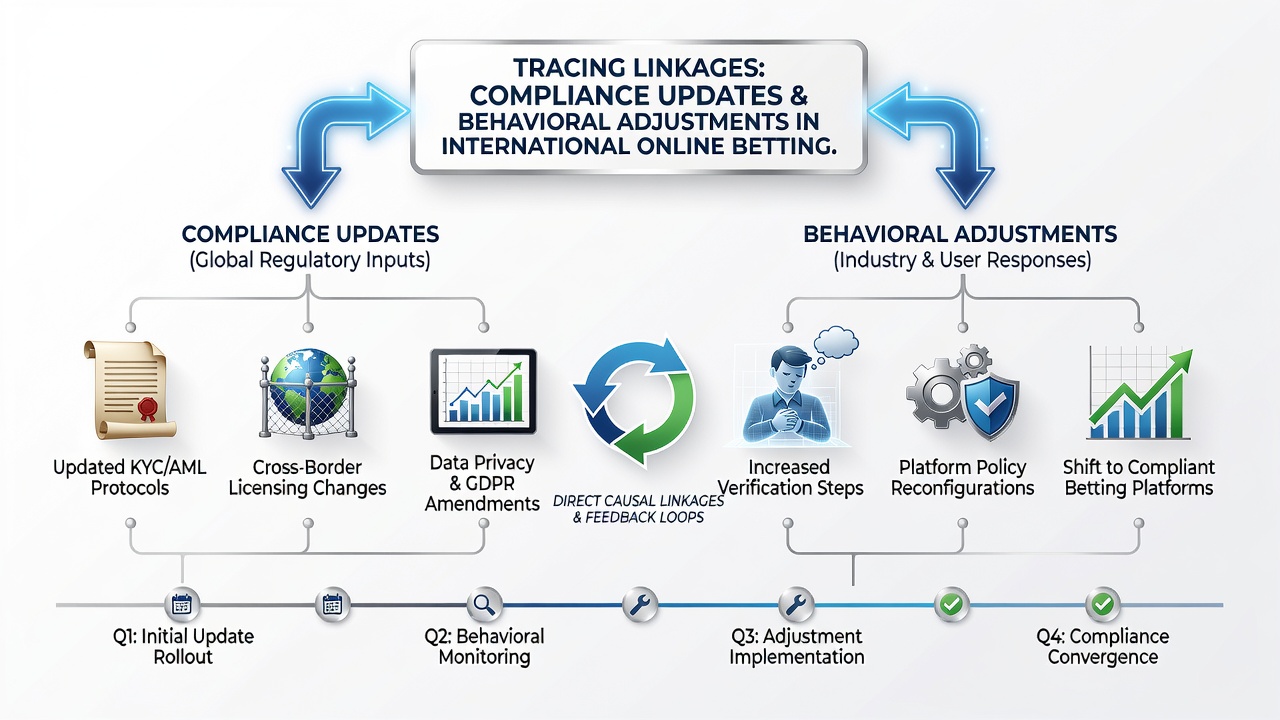
Additional evidence from North American markets points to similar dynamics. After provincial regulators in Canada tightened rules around bonus wagering requirements, operators adjusted maximum stake limits during bonus play, and subsequent user reports indicated a measurable reduction in high-variance betting strategies. According to statistics published by the Australian Communications and Media Authority, comparable rule changes south of the equator produced parallel effects on game selection, with users gravitating toward lower-volatility titles that aligned more closely with revised responsible play prompts. The ball is in the operators' court to maintain engagement without triggering further regulatory scrutiny, and many have responded by deploying in-app educational modules that track and display individual play metrics.
Cross-Border Network Adaptations and Data Sharing
International betting networks rely on interconnected payment rails and shared user databases, so a compliance update in one jurisdiction can ripple outward quickly. Platforms operating across the EU and parts of Asia have begun sharing hashed identity markers under new cooperative agreements, which has reduced duplicate account creation across borders. Researchers at academic institutions examining these linkages discovered that the rate of flagged multi-jurisdictional accounts fell by nearly 9 percent in the six months after the agreements took hold. At the same time, some users adapted by altering their deposit patterns, spacing out transactions to stay below newly established monitoring thresholds.
Payment processors have also adjusted their service offerings. Several providers introduced jurisdiction-specific routing that automatically directs transactions through compliant corridors, and operators report smoother reconciliation processes as a result. Yet this automation has not eliminated all friction; users in overlapping regulatory zones still encounter occasional holds that require manual review, and average resolution times have lengthened slightly according to support ticket data. The reality is that these delays function as additional compliance layers, and behavioral studies show they correlate with lower overall transaction frequency among recreational participants.
Emerging Patterns in August 2026
By August 2026 analysts observed that networks incorporating real-time regulatory feeds into their risk engines maintained steadier user retention compared with those relying on periodic manual updates. Platforms that integrated these feeds reported fewer account suspensions tied to sudden rule changes, while competitors experienced short-term dips in active users. Observers tracking the sector note that this operational difference translated into measurable differences in lifetime value calculations, with compliant networks preserving higher percentages of their international traffic over successive quarters.
Conclusion
The connections between compliance updates and behavioral adjustments continue to strengthen as international online betting networks expand their geographic reach. Regulatory announcements prompt operators to modify verification, payment, and promotional systems, and these modifications in turn shape how users interact with the platforms. Data from multiple regions demonstrates consistent patterns of migration, consolidation, and strategy recalibration following enforcement changes, underscoring the tight feedback loops that now characterize the sector. As additional jurisdictions refine their approaches, further adjustments in both operator infrastructure and user conduct remain likely.